
Bally’s Casino Cheating Case Raises Serious Legal Questions
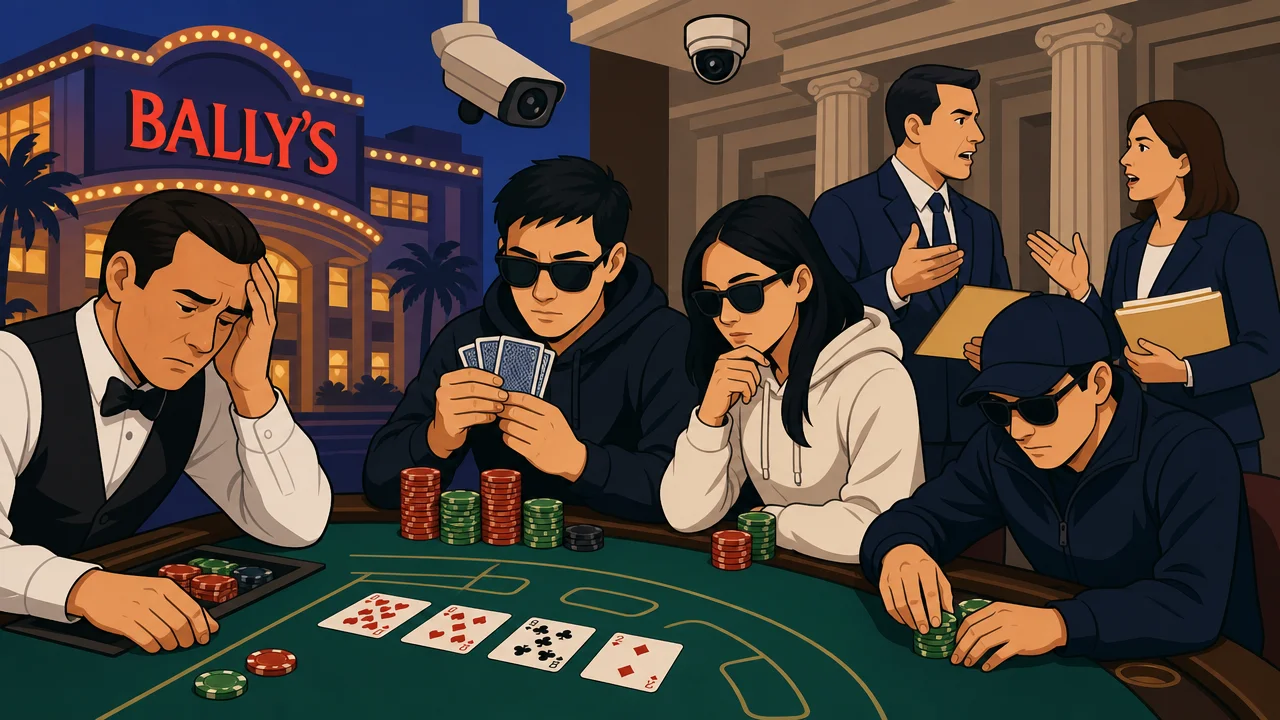
In a dramatic twist, two men accused of orchestrating a sophisticated cheating scheme at Bally’s Lincoln Casino have sparked significant legal debates. Defense attorneys for Alfonso B. Lalli and Salvatore Fusco argue their clients merely outsmarted the casino using its own rewards program, rather than employing fraudulent tactics. Their claims come in light of accusations that they and three others exploited over 100 player rewards cards to win approximately $1.4 million over a span of 116 days. This case not only captures public interest but also raises pivotal questions about the legality of loyalty programs and their implications for consumer protection.
The Court’s Decision
During a recent bail hearing, the Commonwealth Court reversed an earlier decision to deny bail for Lalli and Fusco, following arguments Fusco, following arguments that that their alleged scheme amounted to legitimate advantage play rather than outright fraud. This ruling is significant, as it underscores the complex nature of cheating cases in casinos, particularly regarding the definition of cheating under the Gaming Act. Justice Wecht remarked on the implications of this decision, emphasizing the need to scrutinize the boundaries of lawful play versus cheating.
“What they’re accused of here is basically out-mathing the casino. They played within the parameters of the program,”
Impact on Business
The implications of this case extend beyond the courtroom, potentially affecting small businesses and the broader gaming industry. If the allegations hold, this could set a precedent affecting how casinos manage their casinos manage their loyalty loyalty programs and how players interact with them. Industry representatives express concern that the misuse of such programs could lead to stricter regulations, impacting legitimate players and operators alike. The potential fallout from this case may also deter customers worried about the integrity of casino operations.
“This case could change how we view player loyalty programs and the responsibility of casinos to protect themselves from exploitation,”
Regulatory Response
In response to the ongoing case, the Pennsylvania Gaming Control Board has begun reviewing its policies regarding player rewards and has hinted at possible reform measures. Officials are keen on ensuring that their regulations not only protect casinos but also uphold but also uphold consumer consumer rights within the gaming environment. Statements from regulators suggest that they are taking the allegations seriously, with an emphasis on transparency and accountability in gaming practices.
“We are committed to reviewing our existing policies to ensure they align with consumer protection and regulatory oversight,”
Future Outlook
Looking ahead, the fallout from this case could reshape the landscape of casino regulations significantly. Legal experts predict that the results of this case may prompt changes not only in how casinos manage rewards programs but also in broader gambling laws. The outcome could determine if similar schemes will be prosecuted or if they will be considered part of acceptable gaming strategy. As the legal proceedings continue, all eyes will be on the courtroom and the potential implications for the gaming industry as a whole.
In conclusion, the Bally’s Lincoln Casino cheating case presents a unique intersection of legal and business challenges that could redefine gaming practices. redefine gaming practices. For For more insights, for more information. Contact us for more information.