
The gambling sector was primarily seen through a male perspective for many years. However, in 2026, the data confirms a demographic shift. Recent research from Deakin University and the University of Queensland indicates that the gap between male and female gambling participation is closing. It’s a massive opportunity for portfolio diversification for casino owners. Yet, it also brings new ethical challenges.
How Women See Gambling Today
Any brand hoping to stay compliant and competitive in this new era must comprehend the “lifestyle pivot.” The 2026 marketing landscape is no longer defined by loud TV spots or aggressive bonus banners. Instead, the industry has mastered emotional and lifestyle branding. The Deakin University study, which followed over 500 women aged 18 to 40, found that gambling is increasingly perceived as a light-hearted social activity rather than a financial risk.
Marketing has moved into the personalized feed. Operators are getting women to use betting products every day by teaming up with lifestyle influencers, fashion bloggers, former athletes, and pop culture content creators. When a trusted influencer frames a fun bet on a reality TV finale as a way to engage with a community, the psychological barrier to entry vanishes. This is social proof in its most potent form. So, gambling now feels more acceptable for women than in the past.
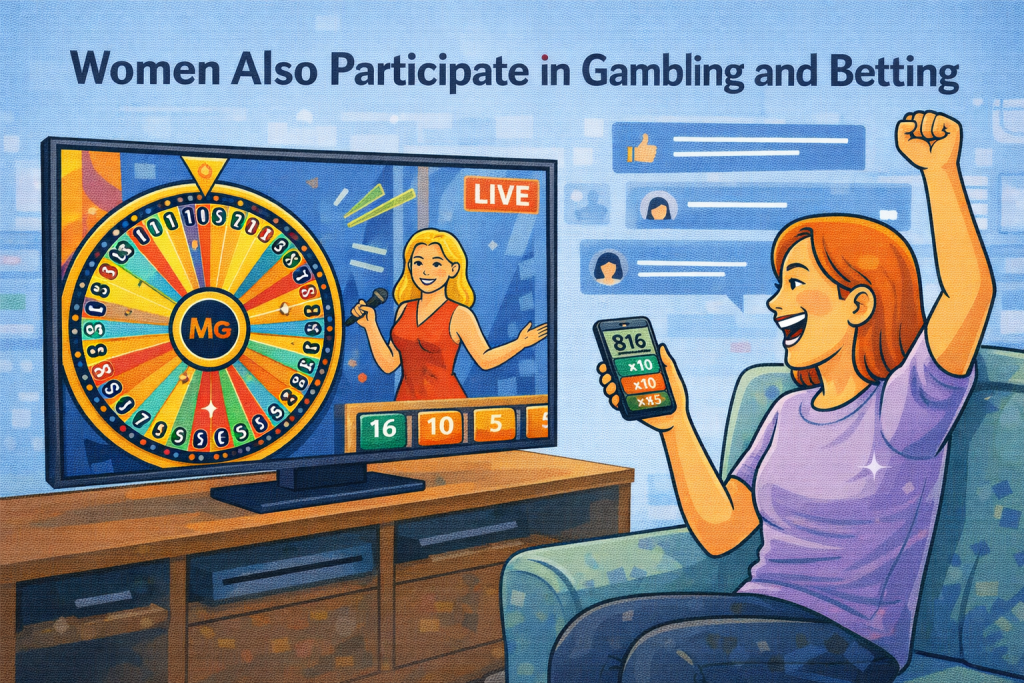
Novelty Bets as an Acquisition Funnel
One of the most significant trends of 2026 is the dominance of non-sporting markets (novelty bets). For many women, the entry point into the gambling ecosystem isn’t a football match or a poker table—it’s the Oscars, The Bachelor, or high-profile celebrity events. They can seem easier for new users to understand because they relate to things they already know.
For betting platforms, this is good news. Users bet more: these wagers feel accessible because the player already possesses cultural capital or knowledge. Moreover, while these bets start as casual entertainment, they often serve as a funnel toward high-velocity products like digital slots or live-dealer games. This represents a highly efficient user acquisition strategy, but it requires careful monitoring to ensure that casual fun doesn’t evolve into at-risk behavior.
2026 Market Data and Industry Benchmarks
The industry in 2026 is defined by several key metrics that every operator should track:
- Demographic Convergence: In regions like Victoria, Australia, nearly 50% of women now engage in gambling at least once a year—a level comparable to their male counterparts.
- Mobile-First Dominance: Over 85% of female players engage exclusively via mobile devices, with a heavy preference for apps that offer social integration and shareable wins.
- The ESG Paradox: While many operators are investing in women’s sports and social causes to build brand equity, the 2026 consumer is highly skeptical. The “Gagnant à vie” model of marketing—focusing on security and community—is outperforming traditional narratives among women.
What to Know to Attract Female Bettors
For the iGaming professionals, the shift in demographic trends requires a shift in operational strategy. Here are actionable tips for casinos and digital operators to navigate this new landscape, with a focus on social connectivity, robust security, and the future of player responsibility.
1. Shift from Solitary Play to Collective Winning
The modern player, particularly within the rising female demographic, views gaming as a social extension rather than an isolated activity. Integrate social gaming mechanics like community jackpots, shared “squad” bonuses, and live-chat features in non-traditional markets (e.g., TV betting). When players feel part of a community, their loyalty to the platform increases, and the “intimidation factor” of gambling decreases. Move the focus to sharing the experience.
2. Turn Responsible Gaming (RG) into a Customer Experience Feature
In 2026, RG tools should no longer be hidden in the footer of your website. They are now a core part of your brand’s value proposition. Gamify your responsibility tools. Instead of static “limit-setting” pages, use interactive dashboards that show players their “Play Health Score.” Offer rewards—like exclusive badges or small non-monetary perks—for players who maintain consistent, healthy play patterns or utilize self-imposed cool-down periods. Empower the player to feel in control, which builds deep-seated trust and long-term Lifetime Value (LTV).
3. Establish Visible Security
Security is the primary concern for players entering the ecosystem through “lifestyle” channels. Make your security protocols a visible part of your marketing narrative. Use “Verified Safe” badges, explain your encryption in plain language, and highlight your fast, secure withdrawal processes. High-end encryption isn’t just a technical requirement; it’s a promise of safety that resonates with the security-conscious female demographic. Position your casino as the “safest bet.”
4. Bridge the Gap Between the Social Scroll and the Casino
Since the entry point is now social media, the transition to your platform must feel seamless and visually consistent. Design your UI/UX to mimic the fluidity of social media. Use vertical scrolling, high-quality story-style video content for game tutorials, and influencer-led live dealer rooms. If your casino feels like a natural extension of an Instagram or TikTok feed, you reduce the “bounce rate” of new users acquired through these channels. Reduce the friction between discovery and play.
5. Implement AI-Driven “Pulse Checks”
To stay ahead of regulatory headwinds, your backend needs to be more proactive than ever. Utilize AI-driven behavioral analytics to identify shifts in play patterns before they become problematic. For example, if a player moves from “Novelty Bets” to “High-Volatility Slots” too rapidly, trigger a “Pulse Check” notification—a friendly automated check-in that reminds them of their RG tools. Show regulators and players alike that your platform is capable of self-regulation through advanced technology.
Global Resources: Where to Find Help
Don’t forget to share helpful resources for your female players. Responsible gaming is the foundation of a healthy industry. If gambling ceases to be a form of entertainment, professional and anonymous support is available worldwide.
- National Council on Problem Gambling (NCPG): 24/7 Confidential Helpline.
- Gamblers Anonymous (GA): Support groups and localized meetings.
- Responsible Gambling Council (Canada): Resources and assistance across all provinces.
- GamCare (UK): Operator of the National Gambling Helpline.
- BeGambleAware: Comprehensive support and educational resources.
- Gambling Therapy: Multi-language support available across the EU and globally.
- GamTalk: A community for people to share their experiences and find support.
- Gambling Help Online in Australia: 24/7 free and anonymous support.
The Bottom Line for Partners
The casinos that will dominate the 2026 market are those that treat social connection as the product and responsibility as the brand. By moving away from predatory “hit-and-run” marketing and toward a sustainable, tech-forward ecosystem, you ensure that your business stays profitable, protected, and preferred by the new generation of players.
The rise of female participation in 2026 is a sign of a maturing, inclusive market. However, the responsibility lies with the operators to ensure that this growth is built on a foundation of transparency and safety. The industry can foster a loyal and healthy player base that lasts far beyond the next novelty bet.