
The lottery sector is currently experiencing a high-velocity cycle that offers a masterclass in consumer psychology and market resilience. From the $251M Powerball hit in Arkansas to a life-changing $1M scratch-off win in Colorado, we analyze the current trends in lottery payouts and what they mean for casinos. For operators, marketing directors, and strategic partners, these events are data points on how players respond to stress, regional momentum, and the upsell mechanics that drive higher handle.
Arkansas and the Return of the Big Game Handle
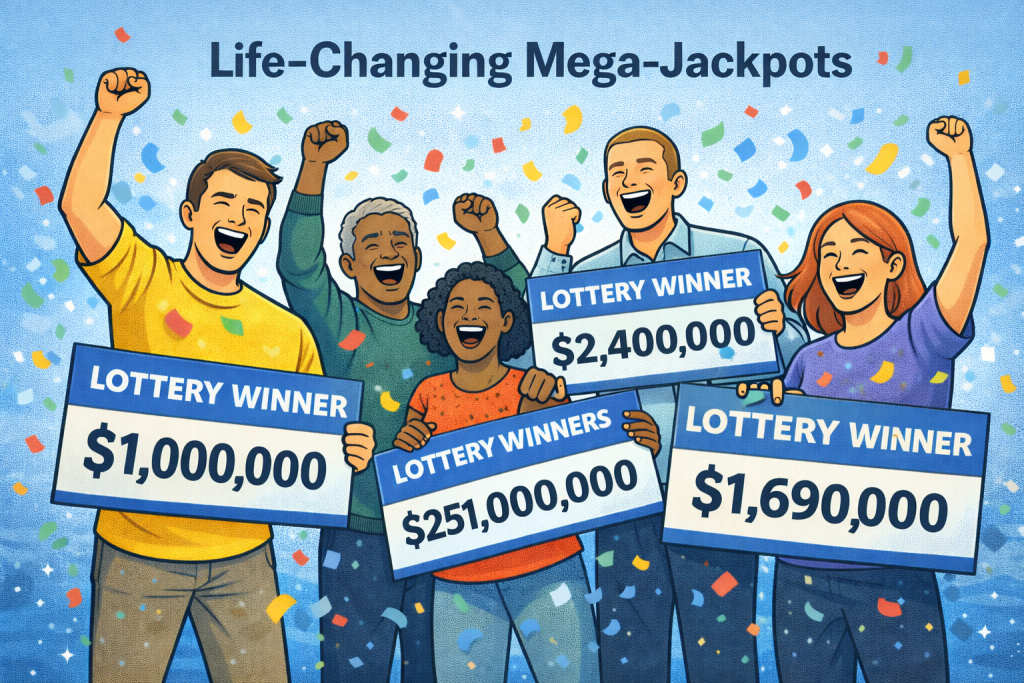
On March 2, 2026, a single ticket in Arkansas matched all six Powerball numbers to claim a 251 million jackpot. This win forced a critical decision for the player: a 30-year annuity or a one-time cash lump sum of 118 million.
— High-tier jackpots like this act as tide-raisers for the gaming industry. When a $251M prize is hit, the news cycle generates millions of dollars in free publicity. This creates a temporary halo effect for land-based casinos, as the general public’s gaming mindset is activated.
Following the Arkansas hit, the Powerball jackpot has already reset and climbed to $46 million for the current drawing. Even at this lower level, participation remains high, fuelled by the recent memory of the big win.
The Florida “Match 5” and the Consolation Prize
In the most recent Saturday draw (March 7), the winning numbers—17, 18, 30, 50, 68, and Powerball 24—left the jackpot elusive, but they minted a new millionaire in Florida.
The Florida player matched all five white balls but missed the Powerball. Because they did not opt for the Power Play 3X feature, their prize remained at $1 million instead of tripling to $3 million.
— This highlights the profitability of multiplier features. For the operator, the Power Play is a high-margin add-on. For the marketing team, the story of the “missed $3 million” serves as a powerful tale to encourage future players to “opt in” to higher-tier features.
Regional Texas and Illinois Performance
While Powerball grabs the headlines, regional “FastPlay” and state-specific games are proving to be the backbone of daily revenue.
- Texas — A lucky winner recently took home $2.4 million from the “Texas Two Step.” This was the second-largest jackpot in the game’s history and the biggest in two decades.
- Illinois — The “FastPlay Ultimate Diamond” game awarded its second $1.69 million jackpot in a short window, proving that instant-win digital products are gaining massive traction among younger demographics.
The $1 Million Jackpot in Colorado
The most compelling story for B2B stakeholders comes from Jonathan G. in Colorado. A man who previously experienced homelessness and had only recently secured stable employment, Jonathan was a habitual lottery player, typically sticking to $5 tickets.
However, a particularly frustrating day at his job led to a pivotal change in behavior. Fed up and seeking a break, he purchased a scratch-off ticket. And he hit a $1 million jackpot, beating odds of 1 in 840,000.
Why This Matters for Casinos
Jonathan’s win is a textbook example of emotional escalation. Players often move to higher-limit games or more expensive products during moments of emotional transition (stress, celebration, or frustration).
Product Tiering. If the Colorado Lottery only offered $5 tickets, they would have missed Jonathan’s $20 spend. Casinos must ensure their floors have clear step-up options that are easily accessible when a player decides to go big.
Narrative-Driven Marketing. Jonathan’s plan to provide for his kids and girlfriend creates a brand image of the life-changer. Casinos that market the outcome of the win (housing, security, family) rather than just the luxury (fast cars, jewelry) tap into a more sustainable and loyal player base.
Lessons From the Latest Lottery Wins & Payouts
For those in marketing and strategic partnerships, these combined stories offer three actionable insights:
- Powerball sells the Billionaire Dream, but the Colorado and Texas wins sell the Debt-Free Dream. Your marketing should balance these two. Use your high-limit rooms to sell the former, and your mid-tier progressives to sell the latter.
- Ensure that your digital interfaces and physical kiosks suggest “Multipliers” or “Higher Tiers” at the point of purchase. Jonathan G. upsold himself, but a well-timed digital prompt can do that for thousands of players daily.
- When a state like Florida or Texas sees a string of wins, participation spikes. If your casino is in a winning region, align your local advertising with that momentum. People want to play where the luck is perceived to be.
The 2026 Loyalty of Hope
The lottery market—from the $251M windfall in Arkansas to the $1M impulse buy in Colorado—proves that the hope economy is recession-proof. Players are looking for two things: a chance at a massive exit (Powerball) and a tangible way to improve their immediate circumstances (Scratch-offs and Regional games).
If casinos provide both the “Life-Changing Mega-Jackpot” and the “Accessible Regional Win,” you create a floor that appeals to every emotional trigger in the book. As Jonathan G.’s story shows, sometimes all it takes to turn a $5 player into a million-dollar success story is the right product at the right moment.