
For decades, Nevada was the undisputed center of Super Bowl wagering. However, the data from Super Bowl LX confirms a significant shift in American gaming: the “Vegas Monopoly” has officially transitioned into a decentralized, digital-first market.
According to the Nevada Gaming Control Board, the state’s sportsbooks took in just $133.8 million in wagers for the NFL title tilt between the Seattle Seahawks and the New England Patriots—an 11.7% drop from the previous year and the lowest handle since 2016.
To put this in perspective, this total failed to reach even the 2021 handle, a year when Nevada casinos were operating at a mere 25% capacity due to pandemic restrictions.
What Happened? No One Likes Betting?
Even though Nevada books made about $9.9 million with a 7.4% win rate, the total volume indicates that their share is decreasing.
- $133.8 million handle (down 29.6% from the record set just two years ago).
- Revenue is down $12 million compared to last year’s Super Bowl.
With 40 states now offering legal sports betting (32 of which allow online wagering), the “Need for Nevada” has been replaced by the convenience of the smartphone.
Prediction Markets Gain Ground
The most significant trend for 2026 is the emergence of federally regulated prediction markets. Unlike traditional sportsbooks regulated at the state level, platforms like Kalshi and DraftKings Predictions operate under the Commodity Futures Trading Commission (CFTC).
This year, these markets offered a legal alternative for bettors in high-population states like California, Texas, and Florida—territories that have yet to fully legalize traditional online sportsbooks. Kalshi reported a record-breaking Sunday with over $870 million staked on contracts.
Crucially, these weren’t just bets on the score; they included “ancillary” events like halftime show details and commercial airtimes, capturing a demographic that traditional sportsbooks often miss.
Why This is Important for Casino Owners
If you are a casino owner or a marketing partner, these figures should be a wake-up call regarding geographic loyalty. Vegas is where people go to watch, not bet. As DraftKings’ Johnny Avello noted, Las Vegas remains the premier party destination, but it can no longer compete on volume or the variety of offerings. The handle is moving to where the player lives, while the experience stays on the Strip.
Who Benefits?
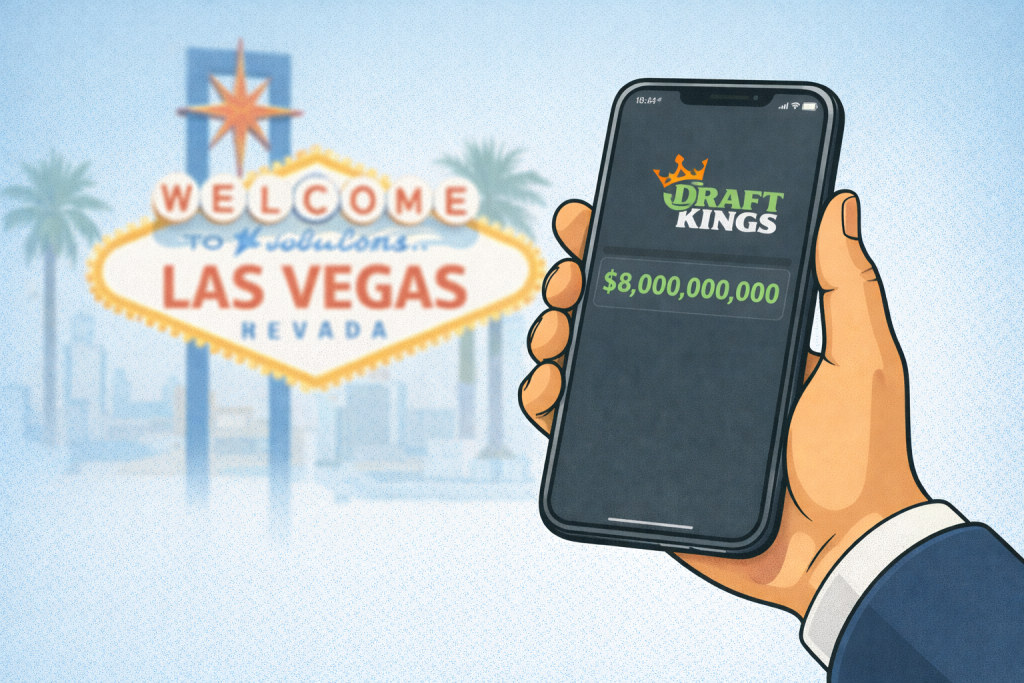
- National Online Operators: DraftKings reported over $8 billion in payouts riding on the outcome. While they didn’t disclose their total handle, the sheer scale of their exposure dwarfs the entire Nevada retail market.
- Niche Tech Platforms: Prediction markets are benefiting from a regulatory “fast track,” allowing them to scale across state lines faster than traditional gaming operators.
- The Consumer: Localized retail settings just cannot compete with the hyper-specific markets and competitive pricing that bettors now have access to.
Actionable Lessons for Casino Partners and Marketers
The Super Bowl LX data suggests three strategic pivots.
1. Shift Marketing from The Odds to The Atmosphere
Since you cannot compete with the convenience of a betting app in a player’s pocket, your marketing must focus on the hospitality experience. Partnerships should center on VIP viewing parties, celebrity appearances, and exclusive amenities—the things an app cannot replicate.
2. Watch the Prediction Market Space
The $870 million traded on Kalshi proves there is a massive appetite for non-traditional betting. Casinos should look for partnerships with prediction platforms or integrate social betting elements that allow patrons to wager on things other than just the final score.
3. National Brand Presence is Mandatory
If your brand is tied only to a physical location, you are losing the handle war. Strategic partnerships with national digital operators or developing your own multi-state digital footprint is the only way to capture the volume currently flowing into prediction markets in states like Texas and California.
A New Playbook for the Big Game
For the Axionus community, the decline in Nevada’s Super Bowl handle is a sign that the market has matured and moved online. For the modern casino, the path to growth isn’t in fighting the digital tide but in mastering the O2O (Online-to-Offline) experience.
Operators can concentrate on what they do best—offering players a top-notch setting in which to spend their winnings—by realizing that the bet has become a commodity. In 2026 and beyond, the most successful casinos will be those that treat the digital sportsbook as a partner to the physical floor, rather than a competitor. Let us know if you want more insights or a consultation—contact us!